When Secrecy Becomes the Second Addiction
(A family-systems truth nobody wants to name.)
Addiction doesn’t just live in the person using.
It spreads through the house as secrecy.
And secrecy has a signature:
• You notice the shifts.
• You ask what’s going on.
• You get told you’re “overreacting.”
• You start doubting your own nervous system.
• Then doubt replaces action.
That delay can cost a lot.
From the family side, the “secret” creates a kind of double bind:
If you speak up, you’re the problem.
If you stay quiet, you’re complicit.
So families do what families do when reality is too hot to hold:
They manage appearances.
They make excuses.
They smooth it over.
They carry the worry alone.
And the brutal paradox is this:
In trying to protect the person… we often protect the pattern.
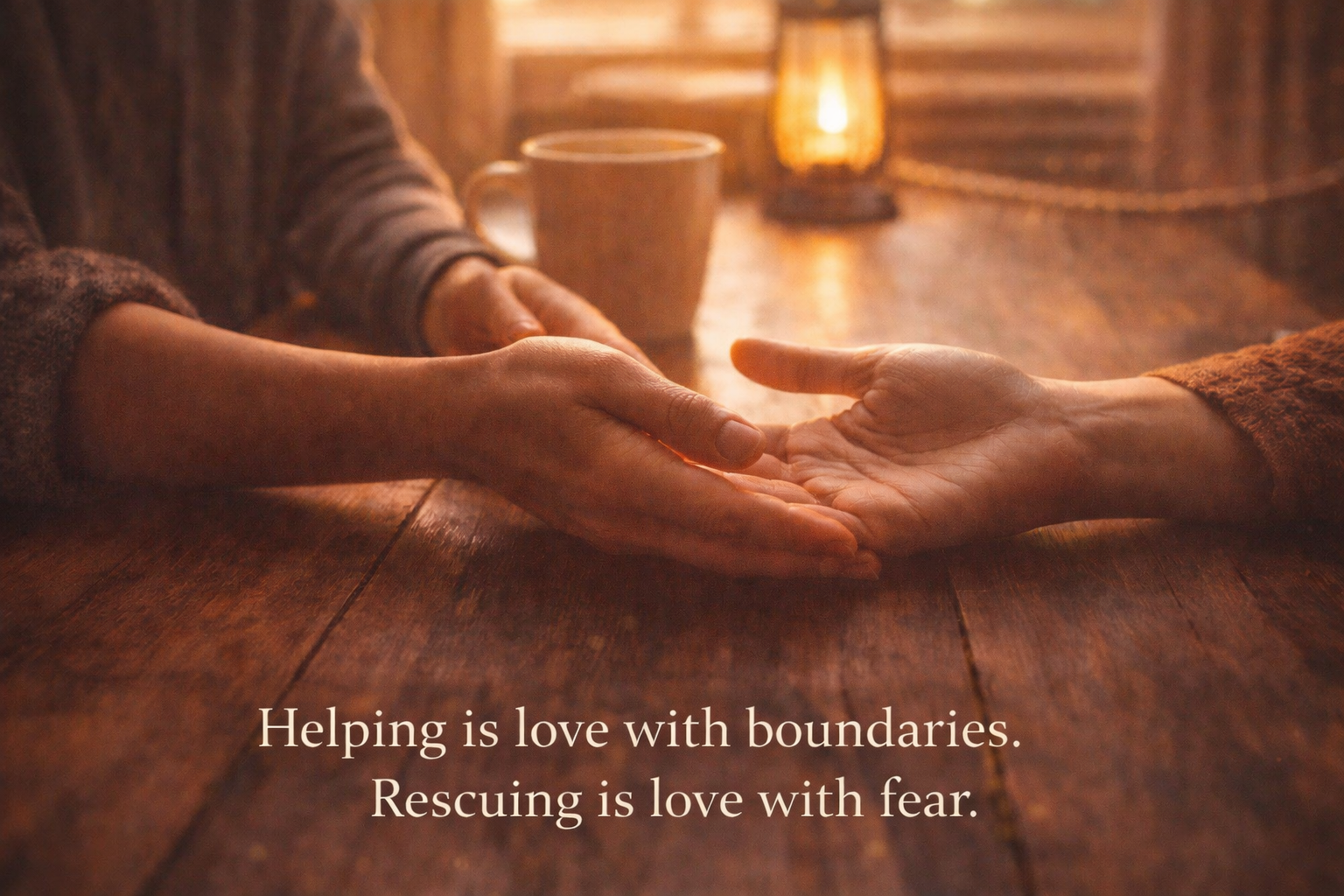
Helping vs. Rescuing (the line that saves you)
A lot of families hate the word enabling because they think it means “you don’t love them.”
No.
It means: your love got recruited into a strategy that keeps the cycle alive.
Helping tends to look like:
• clear boundaries
• consistent follow-through
• calm, direct communication
• support for you (because you matter too)
• professional help (because this isn’t a willpower issue)
Rescuing tends to look like:
• paying the same debts over and over
• covering stories
• absorbing consequences so they don’t have to
• living in threat-mode (“If I do enough, it’ll stop.”)
And here’s the part people don’t want to hear:
Inconsistent consequences teach the nervous system that limits aren’t real.
(Not just theirs. Yours too.)
Phoenix Field truth
If you’ve lived this, you know:
The family doesn’t need more information.
The family needs permission to trust what they already know.
You can influence.
You cannot control.
And loving someone with addiction means learning the difference between being devoted and being consumed.
